Guilty After Leaving Faith?
Heal After Toxic Religion
Transform religious pain into self-trust
Heal from manipulation, shame, and fear rooted in faith-based environments so you can reconnect with your values and feel whole again
Work with a therapist who understands religious trauma recovery
Google Business Reviews

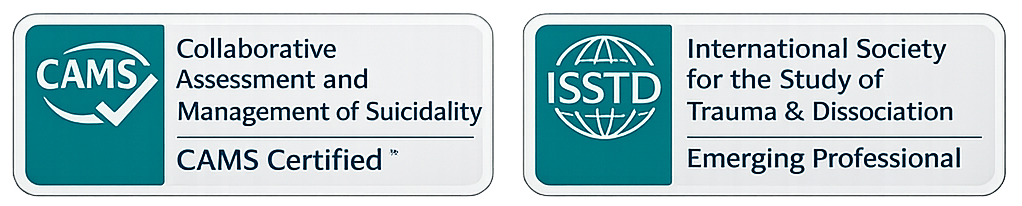
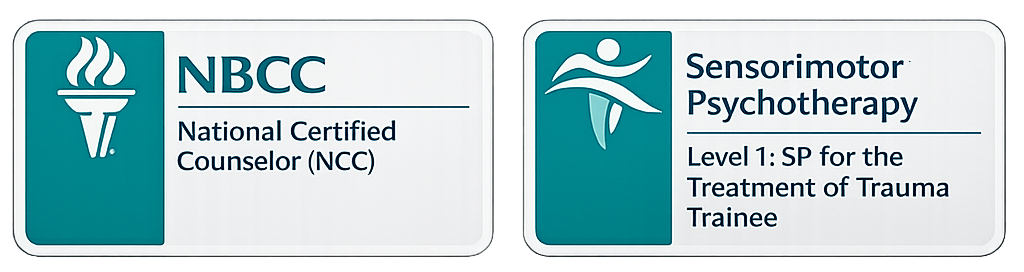
Heal from faith-based wounds with specialized therapy that restores trust, peace of mind, and emotional freedom.
Do You Feel Wounded by Your Church Experience?
Have your experiences with church or religion left you feeling betrayed, dismissed, or judged?
Maybe someone in leadership abused their power, or perhaps you’ve carried shame from teachings that made you feel “less than.” You may be struggling with painful memories, second-guessing your worth, or feeling conflicted about your beliefs. Sometimes, even the thought of returning to church or talking about faith can bring up anxiety, anger, or sadness.
This pain may be showing up in your life in ways like:
• Difficulty trusting leaders, communities, or relationships
• Feeling anxious, ashamed, or “never good enough”
• Questioning your beliefs and wondering if you’re allowed to choose your own path

Hi, I’m Sandy and I can help…

I provide trauma-informed therapy for Church Hurt in Denver and across Colorado via telehealth.
My approach is:
Compassionate and collaborative — we go at your pace, never pushing past what feels safe
Evidence-based — drawing from somatic therapy, parts work, and relational healing
Inclusive and validating — welcoming all identities, backgrounds, and life stories
Together, we’ll get to the root of what’s keeping you stuck and help you reconnect with yourself, your peace, and your hope.
Therapy with me can help you:
Process painful church or religious experiences in a safe, nonjudgmental space
Understand how those experiences have shaped your beliefs about yourself and others
Reconnect with your own inner wisdom, strength, and identity
Develop healthier relationships and a sense of belonging on your own terms

Religious Trauma Frequently Asked Questions
-
Church Hurt
When someone has a painful experience within a church setting—such as judgment, exclusion, or betrayal by leaders or members—it’s often called church hurt. It can leave people feeling disillusioned, rejected, or spiritually wounded.Faith Deconstruction
Faith deconstruction is the process of questioning and re-examining long-held religious beliefs. For many, it starts when something no longer feels right or aligns with their lived experience. It can be unsettling but is often an important part of finding a more authentic and personal faith—or stepping away from faith altogether.Spiritual Harm
Spiritual harm happens when religious teachings or authority figures are used in ways that cause emotional, psychological, or relational damage. This might look like using scripture to control behavior, instill fear, or create shame.Religious Trauma
Religious trauma is the lasting impact of harmful religious experiences. It can show up as anxiety, guilt, shame, difficulty trusting others, or even physical symptoms. Unlike church hurt, which may stem from a single painful event, religious trauma often comes from repeated patterns of spiritual harm over time. -
That’s really okay.
You don’t have to have tidy answers or a neatly defined belief system to begin healing.
All you need is space to be exactly where you are — unsure, searching, grieving, or simply curious. In our work together, we’ll make room for your questions, your feelings, and your humanity, and let clarity come in its own time.
-
Healing isn’t about walking away from your beliefs — it’s about finding your voice and making choices that come from freedom, not fear.
I work with people all along the belief spectrum: committed church members, those questioning long-held teachings, and those who have stepped away entirely. Many are navigating spiritual abuse, identity shifts, or the challenge of feeling safe in their own skin again.
This isn’t about choosing sides. It’s about choosing yourself — your peace, your clarity, your wholeness.
-
This isn’t about convincing you of anything, “fixing” you, or hurrying you through the process. Therapy here is about creating space — space to slow down, notice what’s still tender, and begin rebuilding trust with yourself on your terms, at your pace.
There’s no timeline you have to meet. We move when your body and heart say it’s time — not when anyone else decides you should be ready.
Some of the things we might work on together include:
Healing the wounds of spiritual abuse, religious trauma, or high-control communities
Processing grief, guilt, shame, fear, and the exhausting pressure of “never enough”
Exploring or deconstructing beliefs while staying rooted in your sense of self
Relearning emotional safety and self-trust
Navigating boundaries with still-religious friends or family
Creating a life that feels authentic, steady, and fully yours
This isn’t about who you were told to be. It’s about coming home to who you already are.
-
Deconstruction therapy is a space for people who are questioning, reevaluating, or slowly unweaving long-held religious beliefs. It often overlaps with religious trauma therapy, but it doesn’t have to involve a traumatic past. You don’t need to have a crisis or a painful story to want to explore your faith or release beliefs that no longer fit.
Whether you still hold on to faith, are rebuilding it in a new way, or aren’t sure what you believe at all, this process gives you room to be curious — without pressure to land somewhere certain.
-
Religious Trauma Syndrome (RTS) is a term used to describe the struggles people can experience after being part of a harmful or high-control religious environment. It isn’t an official diagnosis, but many people find the description helpful because it puts words to what they’ve been through.
RTS can show up in different ways, such as:
Feeling anxious, depressed, guilty, or angry
Having trouble trusting yourself to make decisions
Struggling with identity, values, or self-worth
Feeling isolated after losing a faith community
Experiencing panic attacks, nightmares, or other stress-related symptoms
Wrestling with fear of punishment, shame, or confusion about spirituality
Many people describe it as trying to rebuild their sense of self after living in a system that was controlling, shaming, or fear-based. Healing is possible, and support can help you untangle what you want to keep from your past and what you’re ready to let go of.

Google Business Reviews
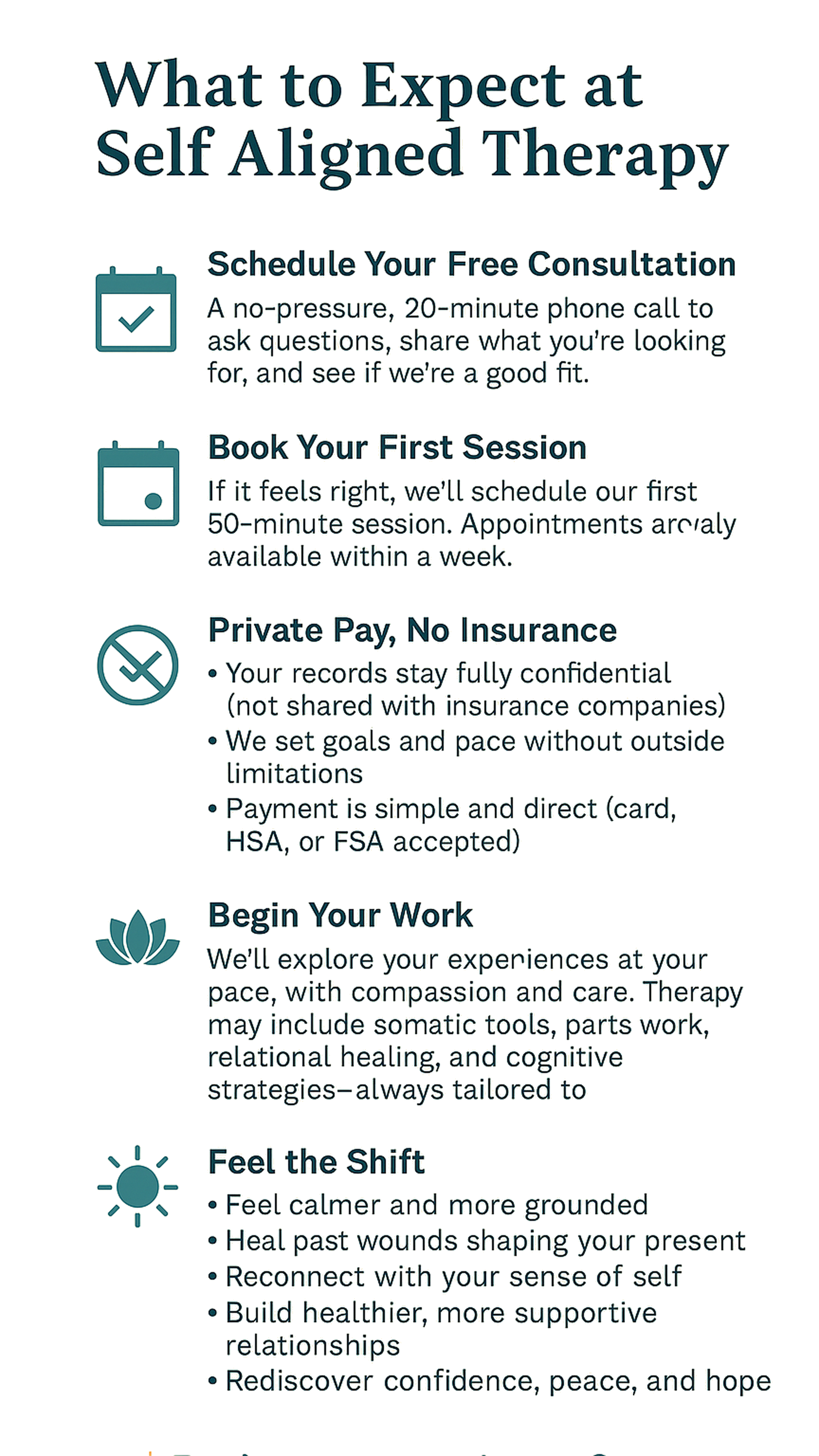
Stop carrying shame from religion, book your free 20-minute call today and begin healing
Claim Your Free Consultation to Learn How to Release Guilt & Reconnect with Your True Self—Without Obligation.
✔ Reconnect with your body & sense of safety
✔ Release guilt & reclaim your voice
✔ Learn to trust yourself & others again
Sandy Brown, Board-Certified Licensed Professional Counselor Candidate
Specializing in Religious Trauma, Attachment Healing, and Somatic Work
It’s normal to worry about what to say or how to begin. You don’t need to have the perfect words. Just reach out in whatever way feels easiest.
I’ll get back to you within 1 business day.